
Opinion
AI Safety Commitments Need a Way to Measure Success.
—
As seen in: Forbes
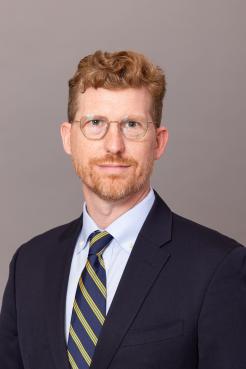
By Robert Seamans
Earlier this week, several leading AI companies signed commitments around AI safety at the White House. Many of these commitments are similar to ones that some of the same companies signed at the Biden White House in 2023. While there are some notable differences to the 2023 commitments, the challenges with both remain the same: they state their goals only in broad terms and do not explain how success should be measured.
AI safety has been in the news a lot recently, primarily because of incidents this summer whereby AI agents from some frontier AI labs went “rogue.” According to IBM, AI safety includes the “practices and principles that help ensure AI technologies are designed and used in a way that benefits humanity and minimizes any potential harm or negative outcomes.” The goal of the recent AI safety commitments is to rely on self-regulation to, presumably, ensure that similar (or worse) AI safety-related incidents do not happen in the future. Again, the actual goals sought by the 2023 and 2026 commitments are not specified other than in vague terms, such as “build a positive future for the American people and the world” and “public confidence that the technology is operating as intended.”
There is some debate about the importance of AI safety. At one end of the spectrum, some argue that AI poses existential threats to humanity, whereas at the other end of the spectrum, some, including President Trump, believe these threats to be a hoax. There is, however, a fair amount of middle ground. I argued in a recent Forbes article that, if designed properly, safeguards around AI may increase consumer trust and actually help stimulate business and consumer adoption of AI products and services.
Read the full Forbes article.
___
Robert Seamans is Associate Professor of Management and Organizations and Director of the Center for the Future of Management