
Research Highlights
What Does it Mean to Be Human?
—
By Vasant Dhar
As seen in: Psychology Today
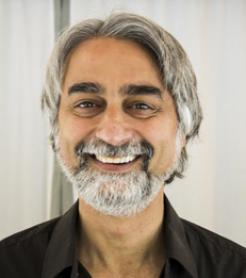
By Vasant Dhar
At a recent presentation I made at a hedge fund, I described the “Damodaran Bot” (DBOT) that I have designed with some colleagues for long-term systematic investing. The bot is designed to think like my colleague and valuation guru, Aswath Damodaran, whose Musings on Markets commentaries have received over 30 million views. This gave rise to a discussion about what would happen to the market if the AI bot gets so good that everyone trusts it to make their investment decisions. In such a world, would the AI become the market?
It’s a scenario that I discuss in my book, Thinking With Machines. But we’re not there yet, and it remains to be seen whether the AI will become that good, to the point that everyone trusts it to make the right decisions. My current thinking is that while the DBOT may become very good at making such decisions, its more obvious impact lies in making previously impossible things feasible, like enabling a human analyst to create and analyze multiple scenarios instantly for every company in the S&P 500. For example, an analyst might want to consider how scenarios involving different regulatory and tariff regimes would impact technology companies. Such a task would take months or years without the bot. In other words, the AI enables new kinds of work that one could not even contemplate doing without it because of the astronomical costs involved in doing it manually.
This is already happening for many routine tasks. Virtually everyone is already using AI to create slick presentations and reports requiring heavy research that would have been impossible to contemplate until now. Indeed, generating this kind of “novel” content from prompts is one of the killer apps of AI. The outputs can be so good that even the AI can’t tell whether it was created by a human or the machine.
Read the full Psychology Today article.
__
Vasant Dhar is Professor at the NYU Stern School of Business and the Center for Data Science, and host of the podcast Brave New World at BraveNewPodcast.com that focuses on the world that our future selves will inhabit.