
CSB Blog
What Makes Sustainability Relevant to Real Business and Investment Decisions?
—
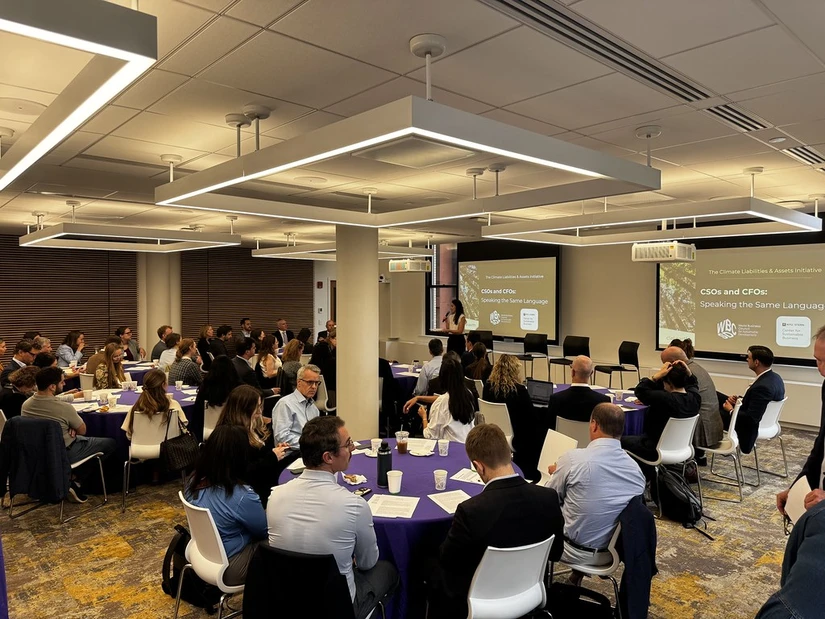
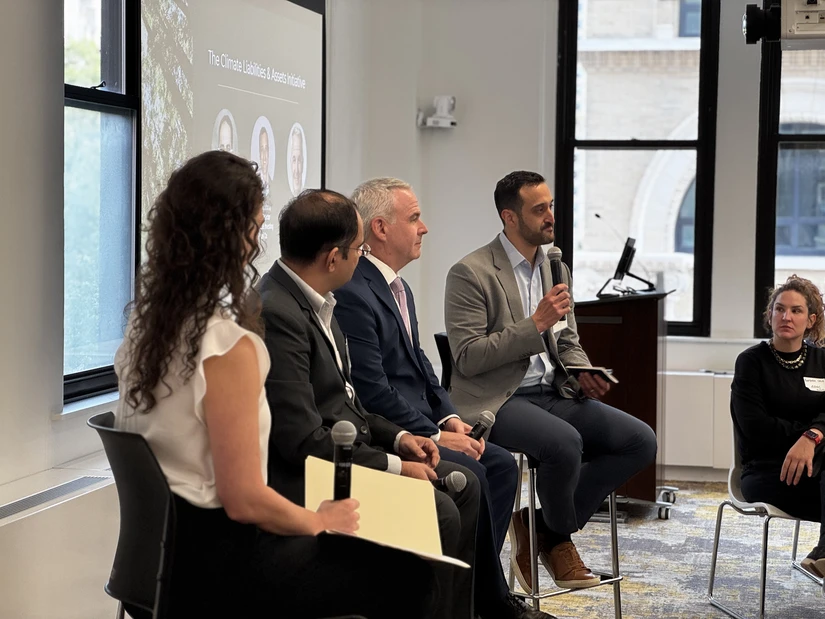
When I first began working on private markets at the NYU Stern Center for Sustainable Business, one of my first experiences was attending the PEI Responsible Investment Forum in New York. More recently, I had the opportunity to participate in Climate Week NYC.
Together, these experiences offer a useful perspective on how the conversation around sustainability in business and investment is evolving. Across discussions with GPs, LPs, companies, and advisors, four themes kept coming up, and Climate Week NYC reinforced each of them.
1. The conversation has moved from identifying issues to understanding their economics.
Materiality still matters, but the questions I heard most were financial: What could this mean for revenue, cost, risk, or asset value? What's the order of magnitude? Which assumptions would a CFO accept? What data would we need?
This is also the premise behind the Center's Return on Sustainability Investment (ROSI™) methodology, which helps companies and investors quantify the financial value of sustainability strategies.
2. Physical risk is becoming much more economically concrete.
Water, heat, energy availability, supply-chain disruption, and insurability are increasingly operating questions, not simply long-range scenarios. One speaker during Climate Week put it memorably: what if a strong El Niño year is a glimpse of the conditions businesses may need to manage much more routinely in the not-too-distant future?
3. Even when the value is clear, capturing it is the hard part.
Consider a more sustainable input that costs more per unit upfront, but ultimately pays for itself through lower energy and waste costs. It may still not get bought because procurement is measured on unit price. The analysis was right; the incentive was wrong.
Value only materializes when it reaches underwriting, a CapEx decision, an operating plan, or a board agenda.
4. To get there, the language is changing, and it isn’t just rebranding.
The most productive conversations rarely mentioned "ESG." They were about operational efficiency, customer demand, workforce, resilience, and capital allocation: all fundamental business priorities.
This is sustainability being absorbed into how the business already talks about value.
From analysis to decisions
Taken together, these are less sustainability problems than decision-making problems, which is why they feel familiar after a career in investment banking and large transformation programs. The subject matter is new, but the challenge isn't: connect expertise that sits in different parts of an organization, translate it into common financial and operating terms, decide what matters, and build it into the processes where decisions get made.
The hard part isn't only analytical. It's organizational: getting the right information to the right people, in a form they can use.
Sustainability becomes decision-relevant when it's translated into the financial, operational, and risk terms businesses and investors already use to make decisions.
At the Center, that translation is at the heart of our work with companies and investors. If you're working through these questions in your own organization, I'd welcome the conversation.